
Inspiration vs Comparison
The Positive-Negative of Viewing Other Work

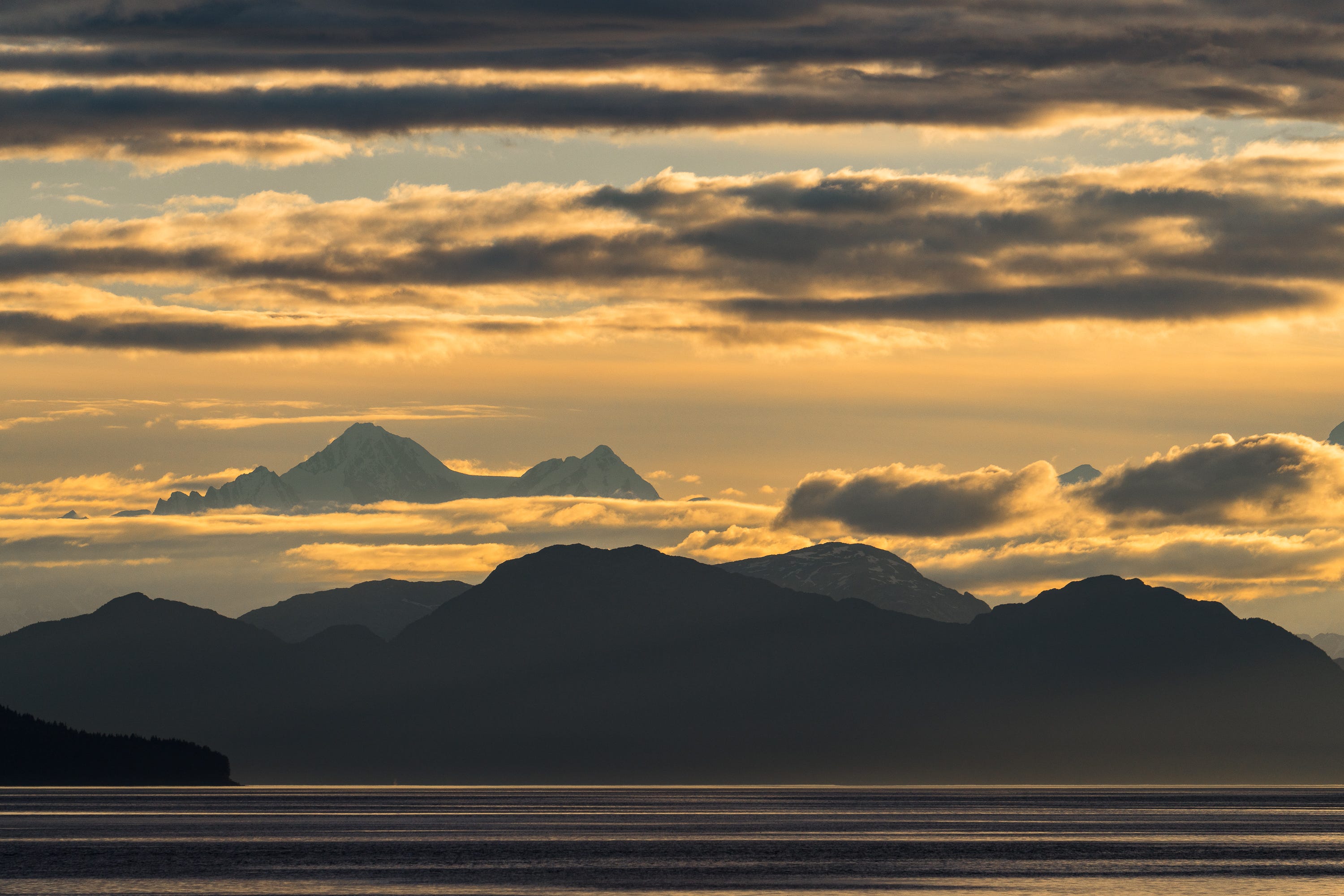
Inspiration isn’t constant. If it were, I’d probably have doubled the size of my limited edition collection by now, finished my new website, written 5 more books, led 10 more workshops, and written all those video tutorials on the to do list!
Sometimes, a lack of inspiration happens simply because our own work becomes so familiar that we can grow ‘tired’ of seeing it, always wanting to create new work. Yet I have learned that you can’t force inspiration, and I’ve accepted that my muse has gone on vacation at times. When that happens, I let go, and I concentrate on other things - book projects, editing, physical activity, listening to music, cooking, reading, etc. In just a short while, my muse comes home and I feel inspired again. That re-fresh was necessary.
During a period of inspirational ‘lull’, I often turn to looking at the work of other photographers that I know and respect., looking at books, websites, social media platforms, etc. I know some of you are already asking “why do that? you don’t want to copy their work…", and you would be correct. I don’t wish to copy their work, but when viewing photography that I find inspiring, I dissect it.
What draws me to this particular image of theirs? Is it the subject matter, the composition, the angle of view, or the light? How does my eye get directed through the frame? Is it dramatic, or quiet, realistic or impressionistic? Sometimes, I don’t know what it is exactly that inspires me, I just know by the feeling I have when I view it that it struck a chord.
I know that some promote the idea of photographic celibacy. To be honest, there is merit in that after a while. Yet seeing works I consider inspirational can open me up to changes in the way I see the world around me. It influences me, perhaps to notice more, or to compose differently. It informs me about my own personal vision, about what resonates with me.
After viewing the work of some photographers who excel in wide angle landscapes, I began to push myself closer, in this case stepping into the water, to create a more engaging composition. Their work inspired me to realize that I could get even closer, with the right gear (hip boots and a very wide lens), and invite my viewer to feel like they were in my shoes - or in this base my boots!
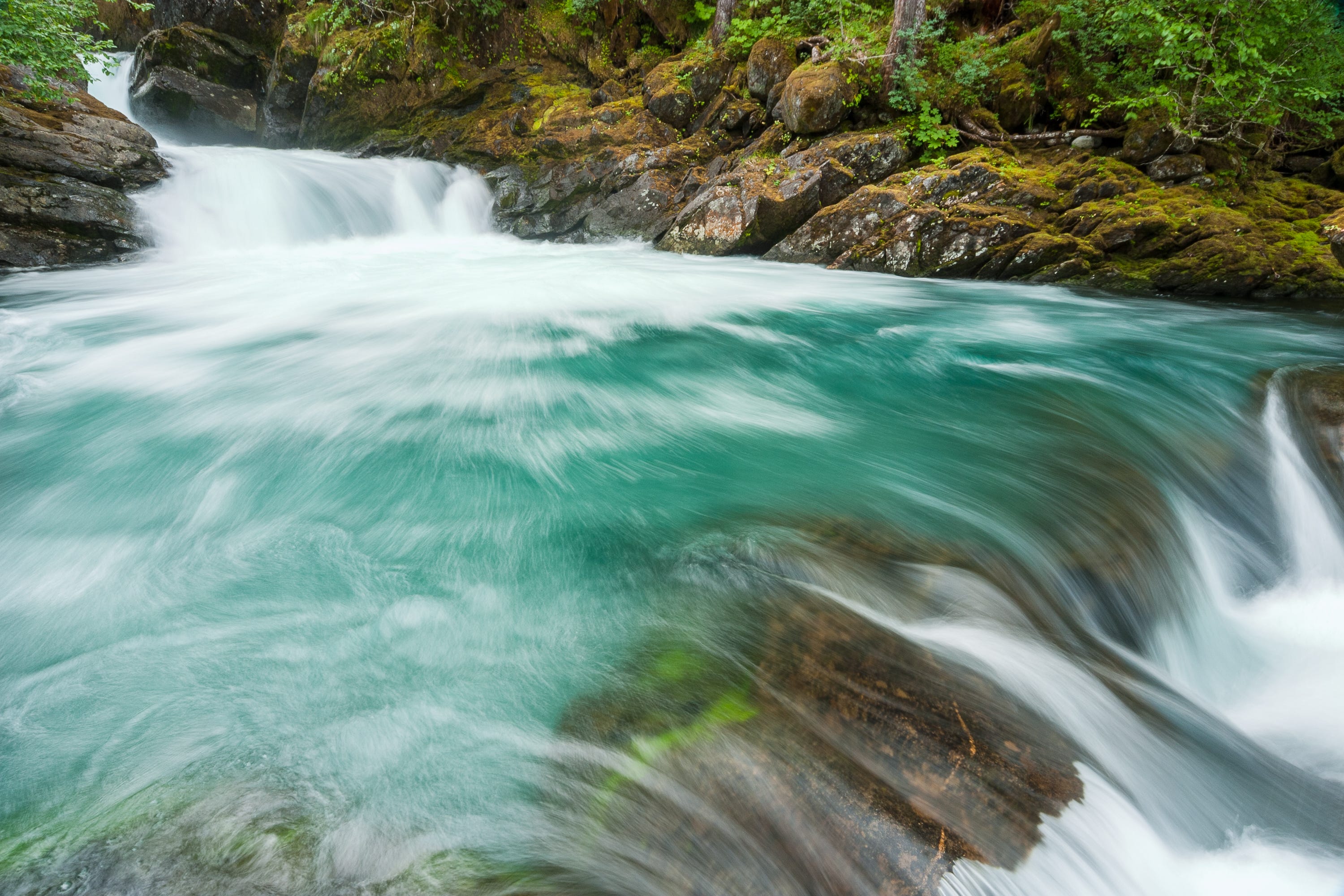
When I look back at some of my images that were pivotal points in my vision, it’s not the gear that was important, although I must admit that sometimes, a new lens became a new tool to assist in my vision.
When I purchased my first medium range telephoto, a 100-400mm, I was so inspired! I could finally see and compose views from Yosemite’s famous Tunnel View that I couldn’t before without a heavy cropping. This mature pine that grew on a slope near the foot of El Capitan is a good example. By using my telephoto lens to scan the scene, I found scenes that were different. This was made with a 400mm lens, and what drew me to it was the scale being expressed. It’s not a small tree, and yet the rock face behind it towers over it.
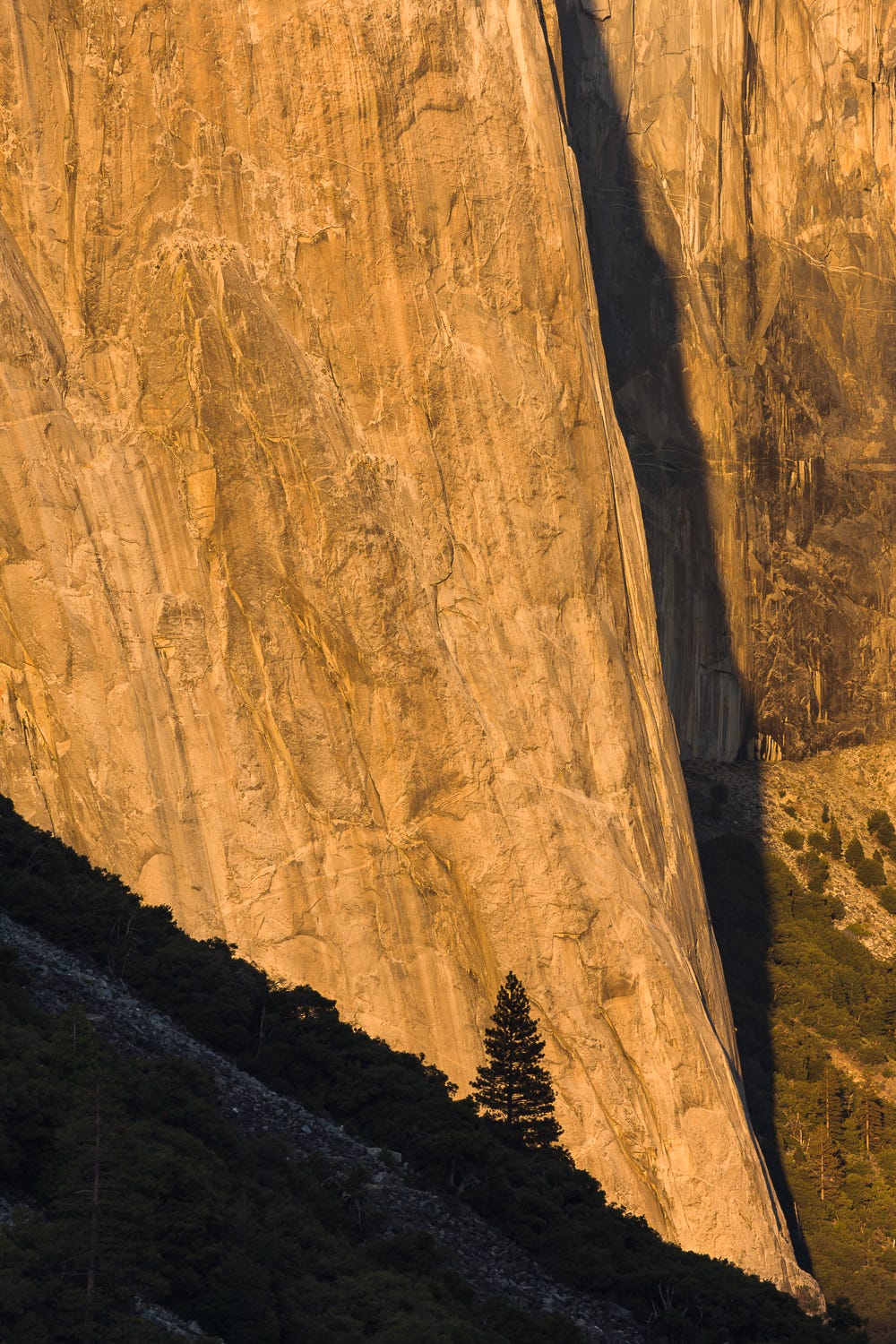
That lens gave me such inspiration, and today, I use my Sony 200-600mm to extract scenes from the grand landscape that catch my eye.
It was often a location that someone had photographed that inspired me. It introduced me to places I hadn’t been. Most often, it was a not an iconic photograph, but one that simply expressed what this place was about, in the way it was framed, in the way the elements were arranged in the composition.
One of dangers of viewing others’ work for inspiration, when you are beginning your photography path, is falling into a mode of imitation. It helps you grow if you try things you saw in their photographs in order to learn the ‘how’. It also helps you grow if you ask yourself ‘what makes this photo work?’, as mentioned above. When you do this, you are learning what makes some photos work when others don’t, and you are then developing your own set of concepts about what works for you, rather than simply imitating.
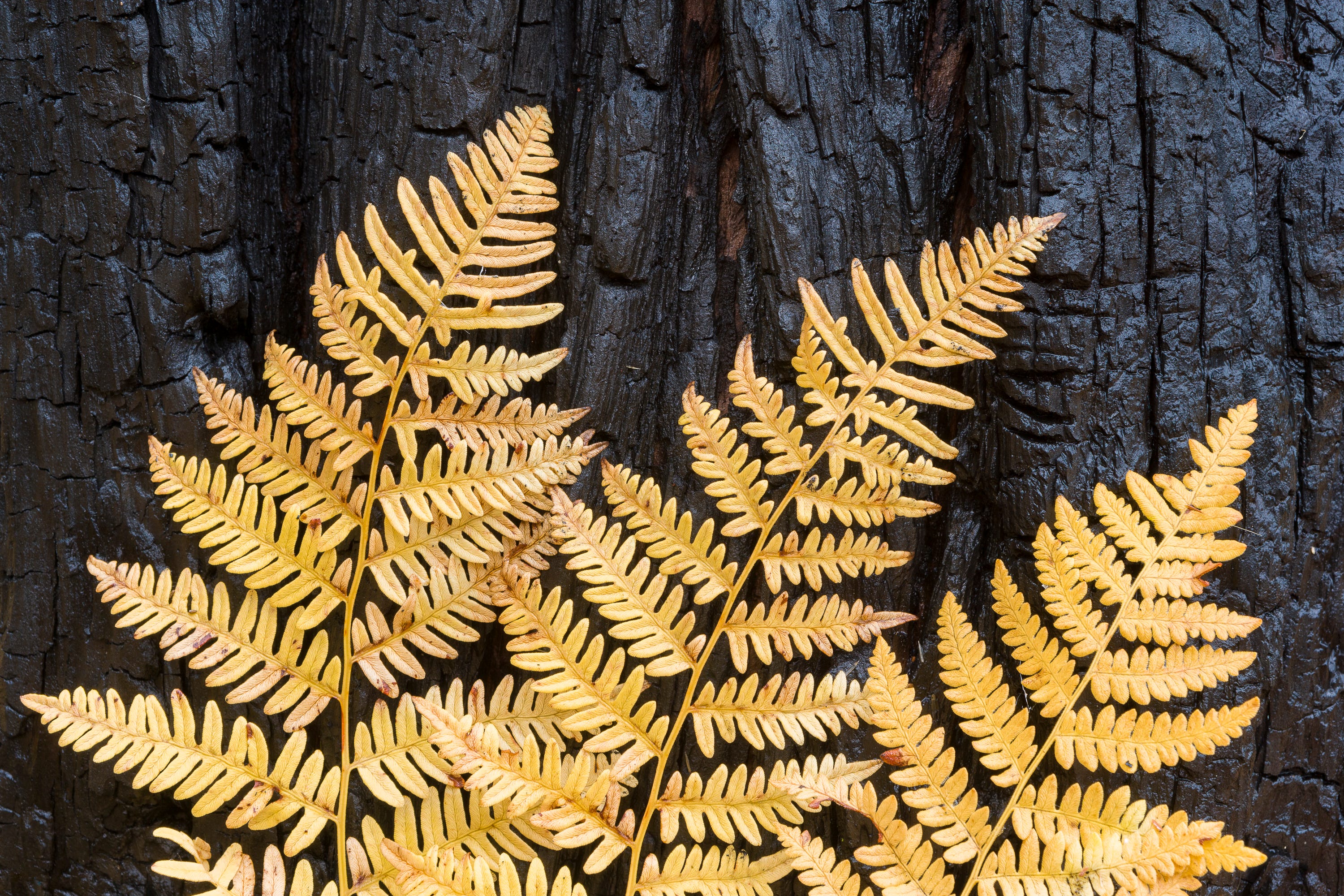
If you keep imitating other’s work, you will lose sight of your own vision. At some point, the inspiration you receive from viewing other photographers’ work has to be just a springboard into developing your own way of seeing. It may be the same subject material, or location. That’s fine. Just do it in your own way.
COMPARISON, an ugly word
What about the other part of my article title, comparison? It’s easy when we are feeling a lack of inspiration to fall into a comparison trap. We look at images that ‘wow’ us, and then we look at our own images, and feel something may be lacking, or that we are missing out because our everyday experiences are not what is pictured in this or that dramatic photograph.
While I am stuck to the bench seat in my camper, working, I find that this feeling of missing out comes up a lot, because I am here and they were in that most exciting place. (My wanderlust is infinite whereas my wallet is not!)
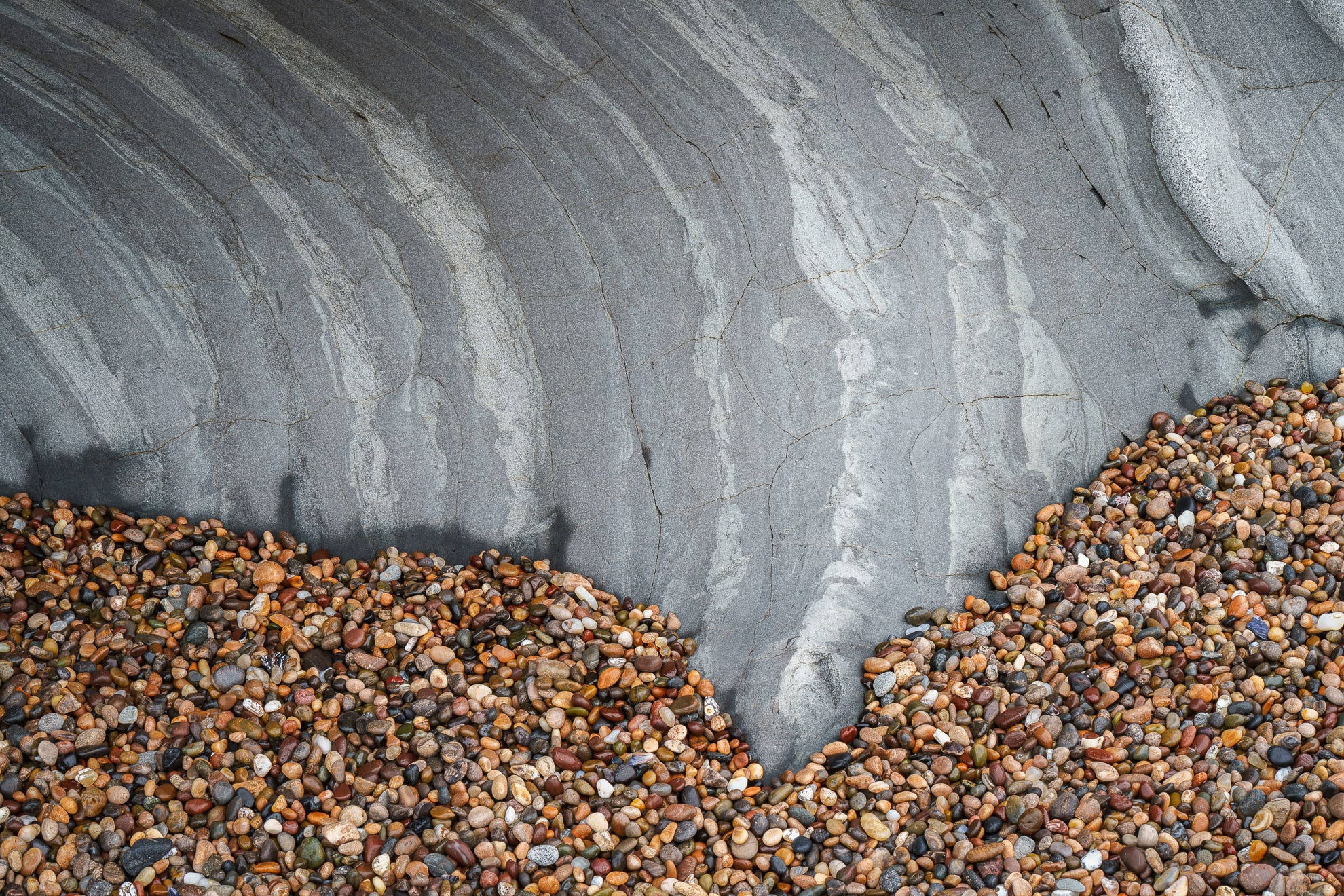
I know I’m not alone in walking this tight rope between inspiration and comparison. It is so easy to have location envy when we see these dramatic photos of equally dramatic locations. It’s also easy to be frustrated when someone nails a photo of a subject for which you are particularly fond, like beach rocks/sand, and you have yet to create your own masterpiece(s) of that subject.
Inspiration and comparison are very close cousins, but one leaves you feeling excited and energized, the other depressed and frustrated…It’s essential you stay on the inspired track, so your person vision keeps growing.
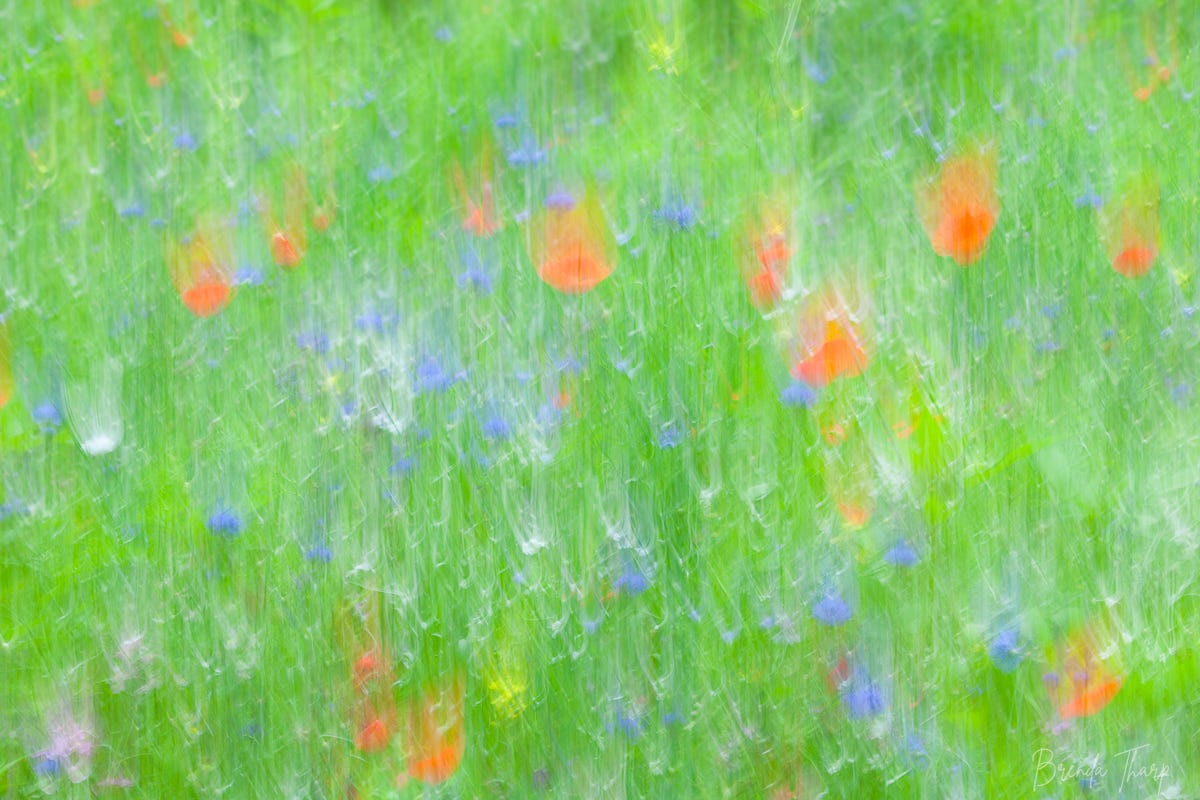
It’s a great idea to collect books of images from photographers and artists whose work inspires you. I have bookmarked many artists’ websites that inspire and challenge me. They can be a great reference. My books are safely packed in my storage locker, awaiting the time I will settle into a brick and mortar place again, and when I do it will be best Christmas season - all those books to revisit…
Let the inspiration you have received from viewing other works push you to get out there to photograph and explore, but trust your own intuition to decide just how you will photograph what is there.
Here are just a very few names of those whose work has inspired me over time. The list of nature photographers/artists that inspire me is long…
Richard Martin, who’s work is graphically strong, simplified, full of expression and color, and great use of light/shadow.
Ian Gaston. Ian’s eye for details and simple, clean compositions is amazing. He applies that same ‘eye’ to other nature subjects as well, and his photography is very inspiring.
William Neill - from large landscapes to intimate views, Bill infuses his love for nature into every photograph.
Kavin Chawla. Kavin is inspiring with how he sees, and how he composes, his images.
Freeman Patterson - one of the first that inspired me to look beyond the thing itself!
I’d love to hear from you as to who inspires you!
Thanks for being here, have a great weekend/week ahead!

John Shaw and Jack Dykinga were my biggest inspirations. I also enjoyed your book Expressive Nature Photography. I enjoy your posts!
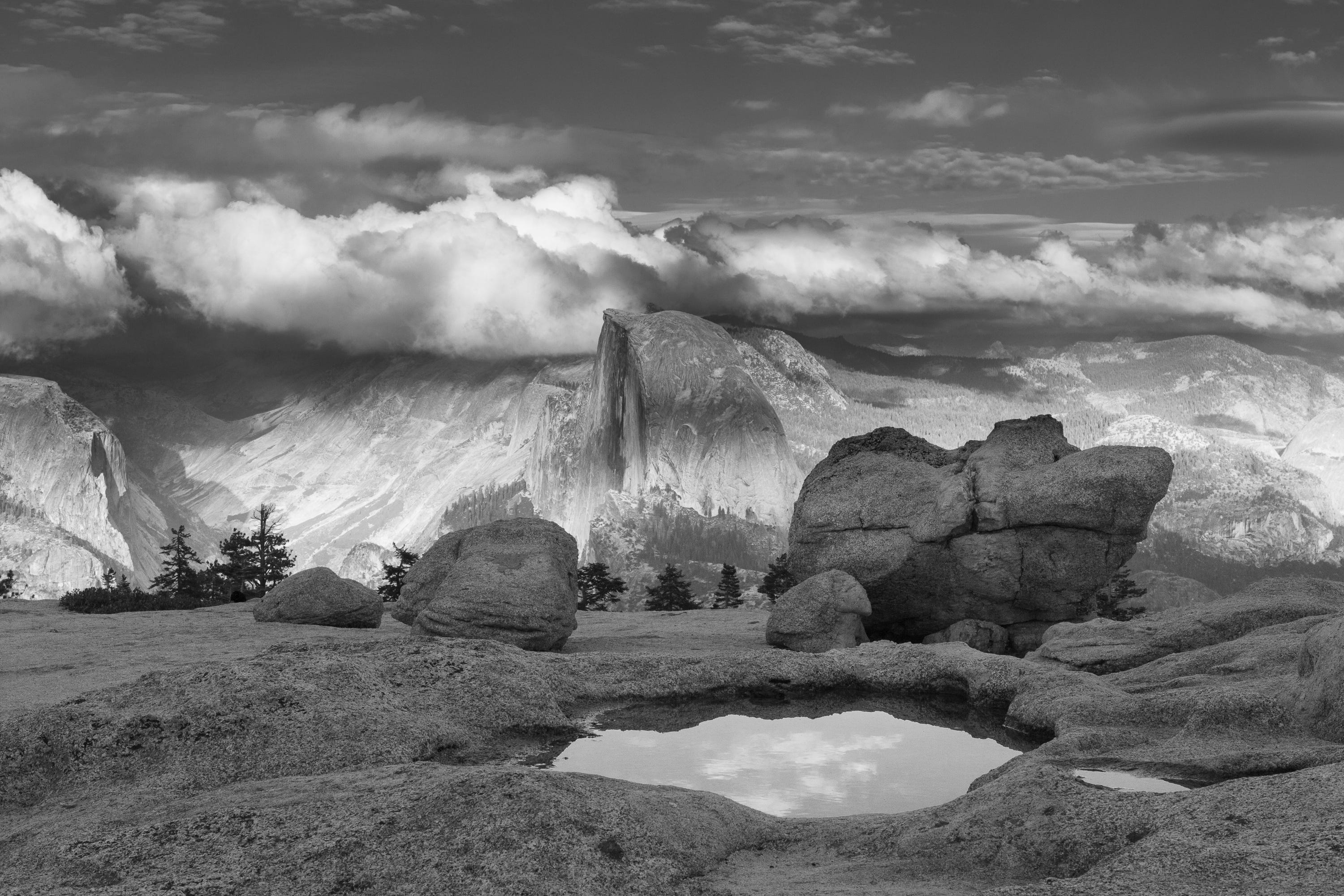
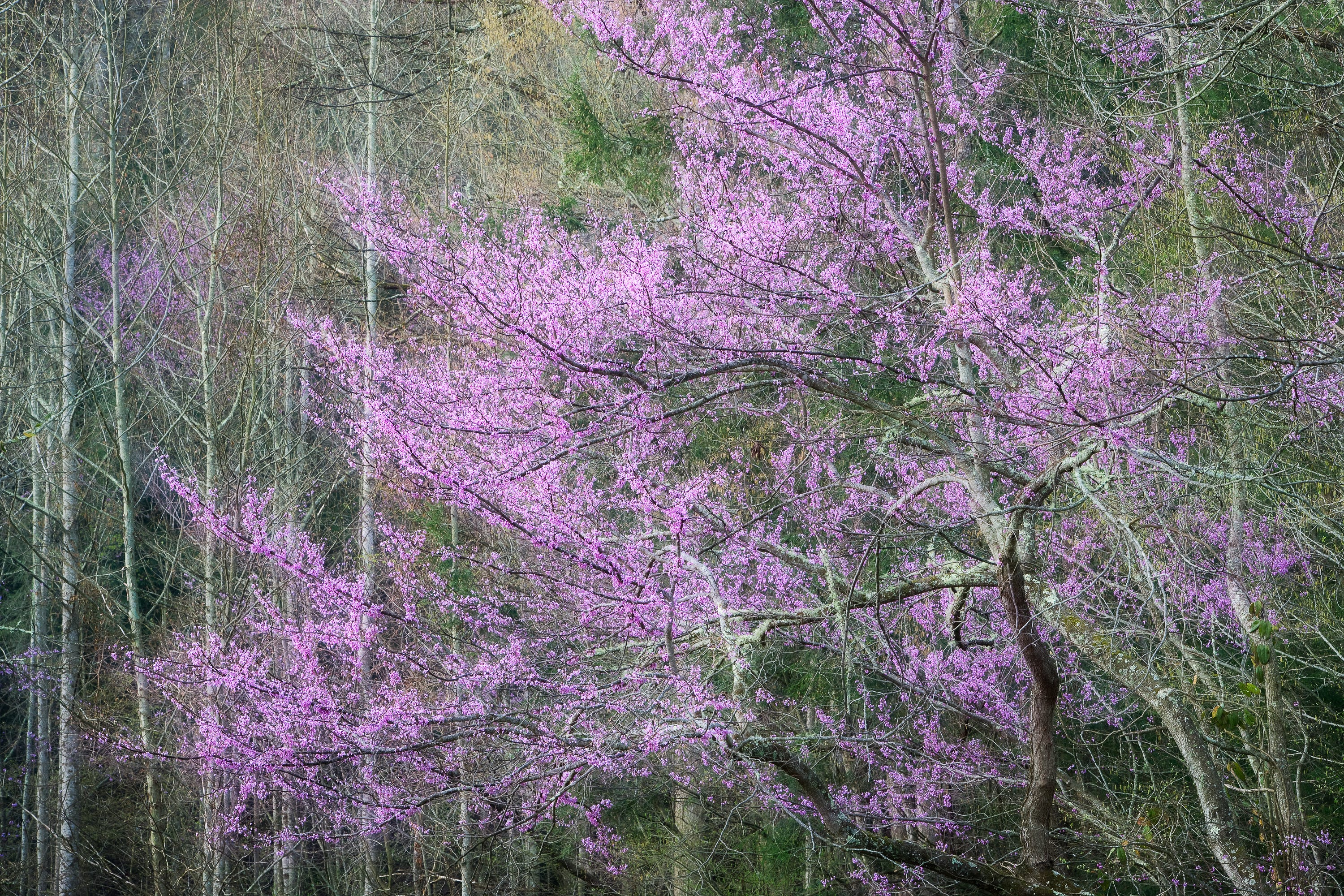
Hi, Brenda! Another lovely set of images from you. Thanks very much for mentioning some of the artists who inspire you. Will try to access those links soon. In the meantime, I want to fawn over the "Pine Tree and El Capitan, California" shot: such gorgeous light/contrast/angles/composition! This one hits you immediately with its colorful beauty and a monumental awe. On the other hand, I also like very much your B/W shot of "View of Sentinel Dome, California", in which there are so many layers within the depth of field. This image causes this viewer to pause, to think about all the displayed elements, and to note elemental pairings: the foreground pool reflects the clouds above, while the rounded rock formations in the foreground mimic the shape of those same, puffy, billowing clouds. And the image of "Redbud, Great Smoky Mountains, Tennessee": beautiful, elegant contrast. I'm repeating myself when I say, "You keep me inspired to photograph." I truly need to join you in the field...somewhere, sometime!